

As temperatures drop, preparation becomes key for Cirrus pilots eager to make the most of the winter flying season. From refreshing knowledge through Cirrus Approach courses to checking systems and revisiting cold-weather procedures, a little foresight goes a long way toward safety and confidence in colder conditions. Here’s how to stay ahead of winter and keep every flight smooth, safe and ready for takeoff.
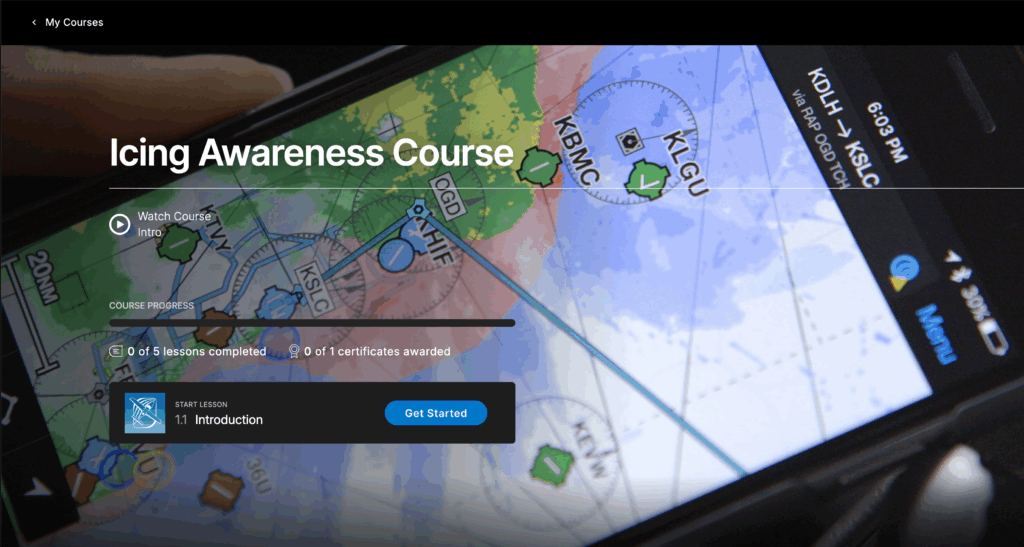
1. Refresh with the Cirrus Approach Icing Awareness Course
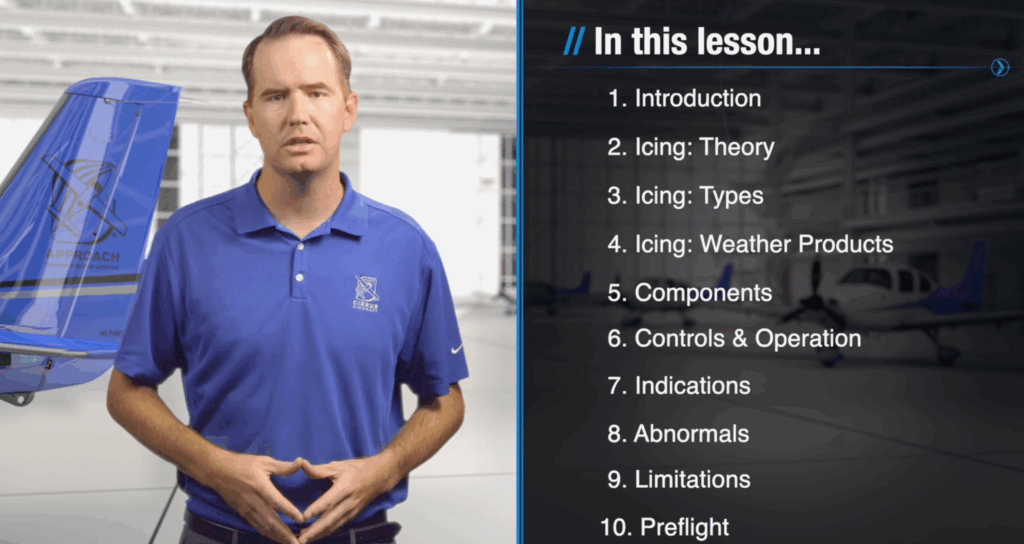
Begin your winter preparation by revisiting the fundamentals. The Cirrus Approach Icing Awareness Course provides a comprehensive overview of icing and weather theory, system components and controls, indications and limitations as well as preflight and abnormal procedures.
Whether you are a seasoned pilot or newly certified, this course strengthens awareness and reinforces best practices that are vital when operating in colder conditions. Continuous learning helps pilots stay confident and ensure they’re ready to fly every season.
2. Review Cold-Weather Procedures and Limitations
Before your first cold-morning departure, take time to review the “Cold Weather Operations” section of your Airplane Flight Manual (AFM Section 4). Cold-soaked engines, icy airframes and skipped steps can turn a routine flight into a risk.
Key reminders:
• Review and memorize both known and inadvertent icing checklists.
• Takeoff is prohibited with any contamination on wings, stabilizers, control surfaces or engine inlets, including frost, ice, snow or slush.
• Practice using flaps at 50 percent for landings when ice may be present. Remember that full flaps cannot be deployed when ice is detected.
• Schedule a winter procedures session with a Cirrus Standardized Instructor Pilot (CSIP) or Authorized Cirrus Training Center (CTC) to keep your cold-weather operations skills sharp.
3. Maintain and Test Your FIKI System
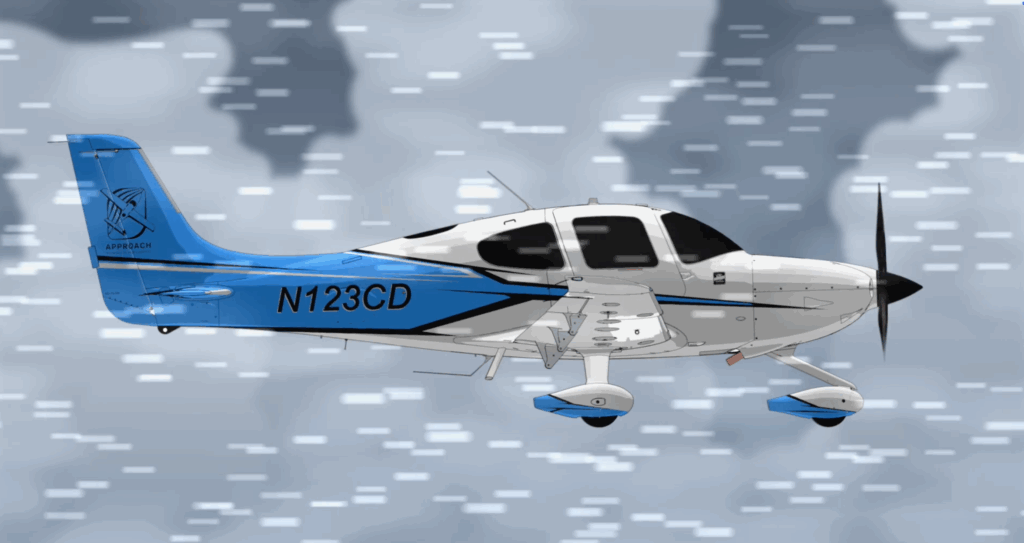
If your aircraft is equipped with Flight Into Known Icing (FIKI) capability, confirm that the system is fully operational before the season begins.
• Run the system once per month to ensure the panels are saturated and fluid is flowing to all protected surfaces.
• Keep TKS tanks topped off. The minimum dispatch quantity is typically five gallons.
• Store extra TKS fluid in your hangar and call ahead to FBOs to confirm they stock AL-5 (DTD-406B) fluid.
• Plan to depart with full TKS tanks on any flight where icing could be a factor.
Regular system checks and proper fluid management ensure your FIKI system is ready when you need it most.
4. Use Your Preheat Systems Wisely
A warm start helps protect your engine and ensures optimal performance throughout the flight.
If your Cirrus is equipped with a TANIS engine and avionics preheater, use it whenever temperatures drop. Bring a dedicated extension cord and keep it in the baggage area in case your FBO’s cord is out of reach.
You can also monitor vital information like oil temperature, battery voltage and TKS fluid levels remotely through the Cirrus IQ™ mobile app. This gives you confidence that your aircraft is ready to fly before you arrive at the hangar.
5. Plan Ahead for Every Flight
Preparation is the key to a safe and successful winter flight. Check weather thoroughly, including icing forecasts, PIREPs, freezing levels and AIRMETs. Know where icing is likely and identify safe escape routes before departure.
Call ahead to your destination FBO to reserve hangar space for overnight stays. Avoid leaving your Cirrus exposed to freezing rain or snow. Consider carrying a small pump sprayer and TKS fluid to remove light frost or surface ice before preflight.
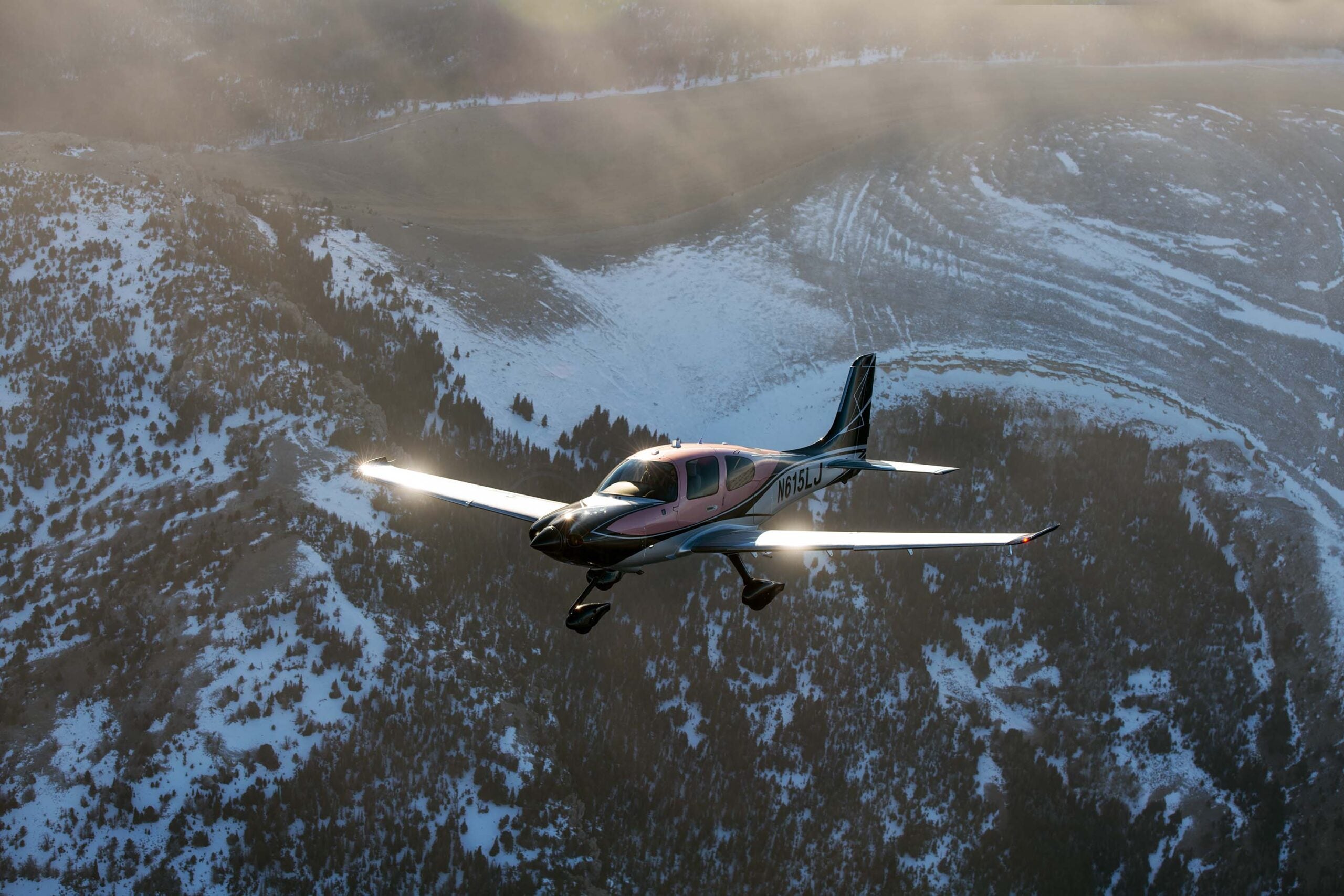
Winter flying rewards those who plan ahead. With the right preparation, the colder months can offer some of the most beautiful and memorable flights of the year.

Ready for the Sky
Flying your Cirrus safely through winter requires thoughtful planning and attention to detail. Take time now to prepare your aircraft and refresh your knowledge so you can enjoy every clear winter day with confidence.
Fly smart, stay warm and as always, stay ahead of the aircraft.