
TRAC10

A Purpose-Built Aircraft Engineered to Transform Professional Flight Training

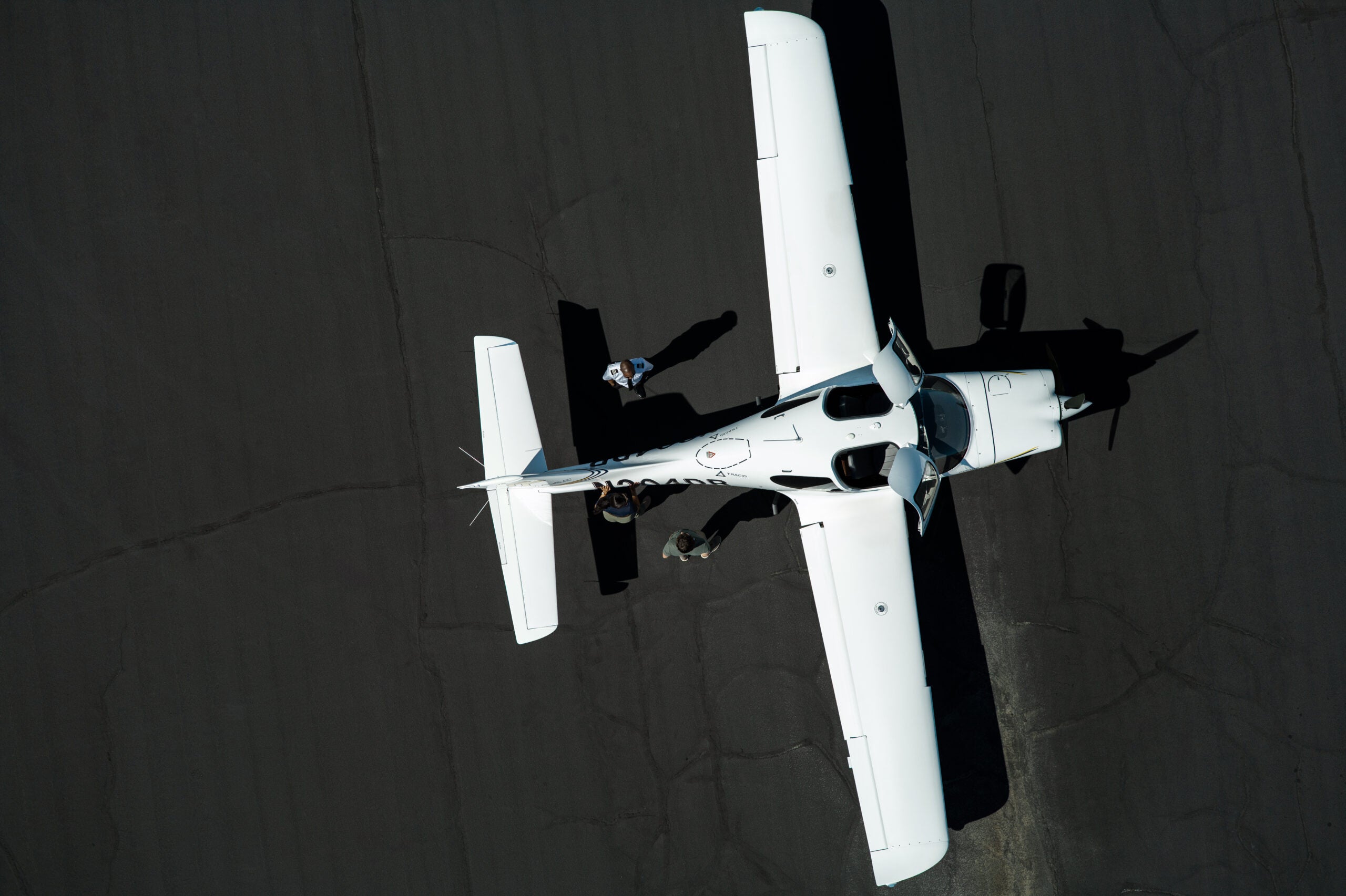
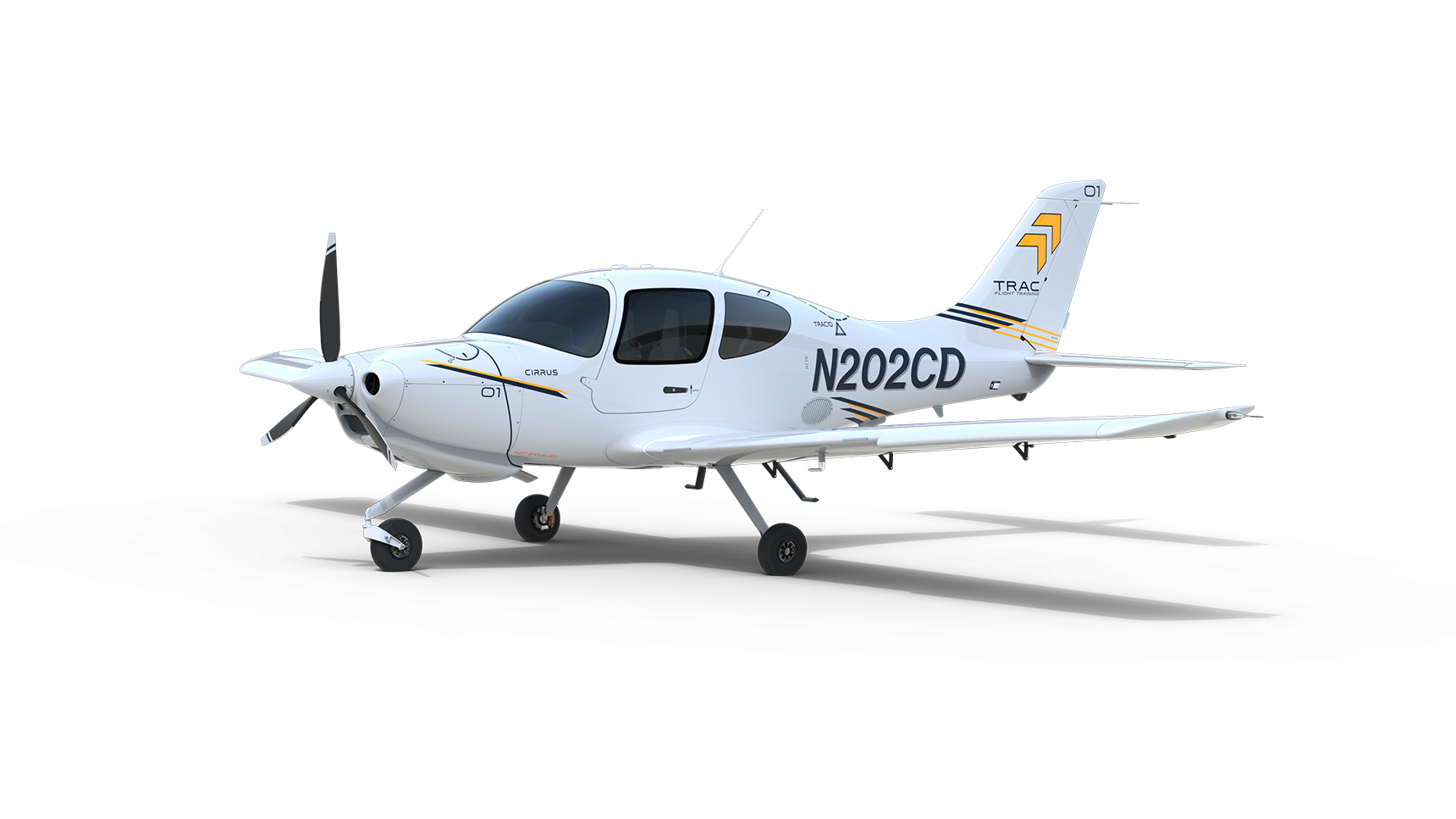
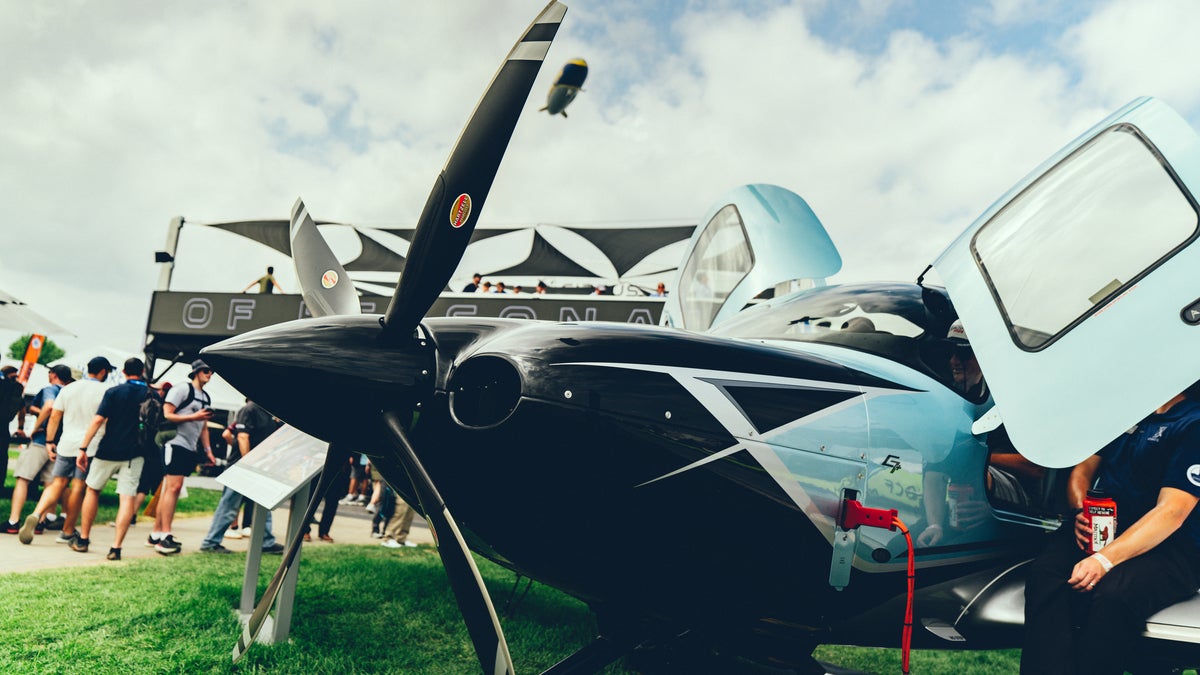
TRAC10 creates the smartest, most intuitive path for flight training. A purpose-built, clean-sheet design aircraft with advanced systems and integrated safety features that help build student confidence from the ground up. Boasting the Rotax 916 iSc Full Authority Digital Engine Control (FADEC) turbocharged engine, ergonomic three-seat interior, Cirrus Perspective® Core™ by Garmin flight deck, and the Cirrus Airframe Parachute System® (CAPS®), the TRAC10 optimizes flight training productivity, operational efficiency, and maintainability.

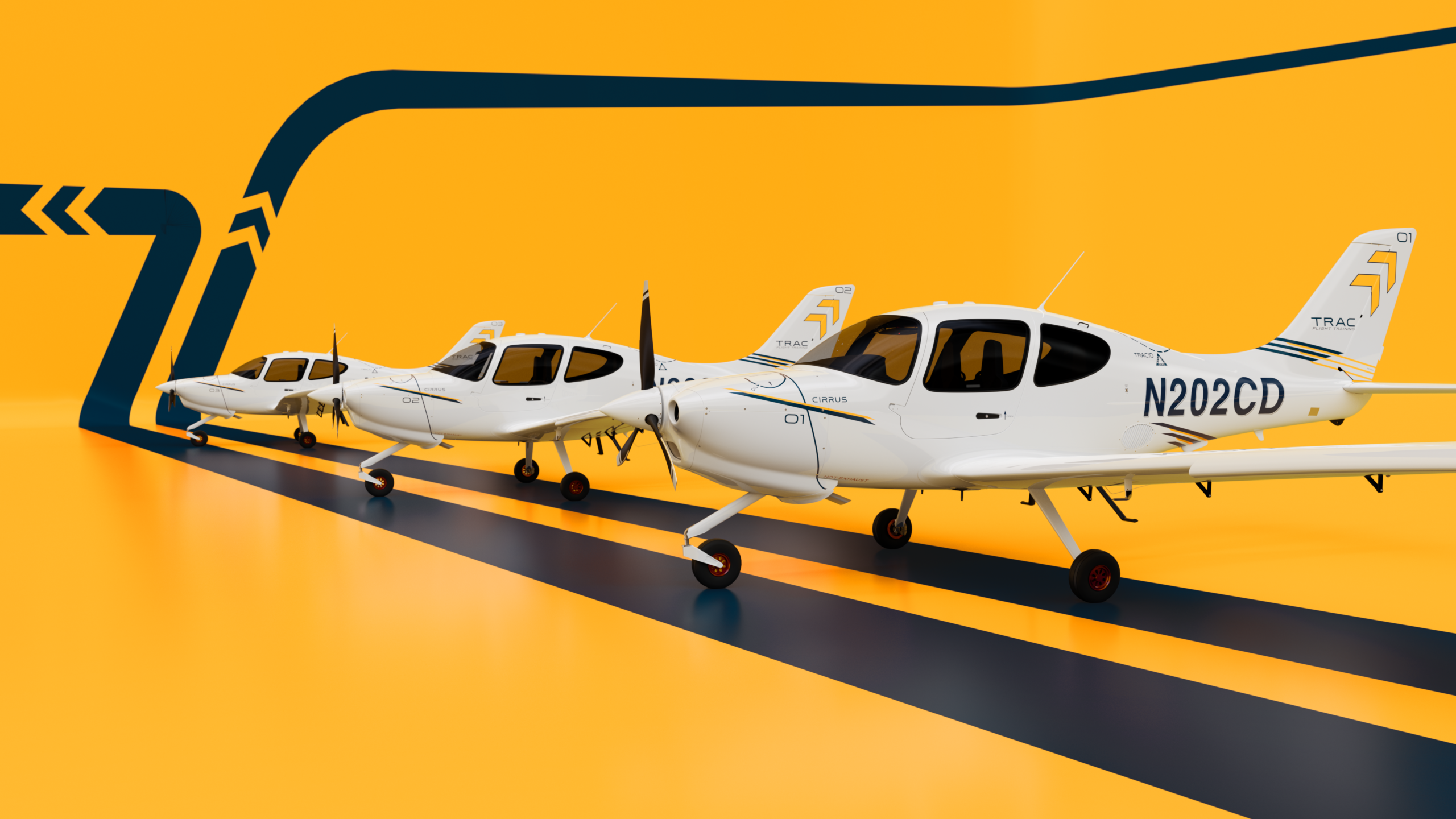
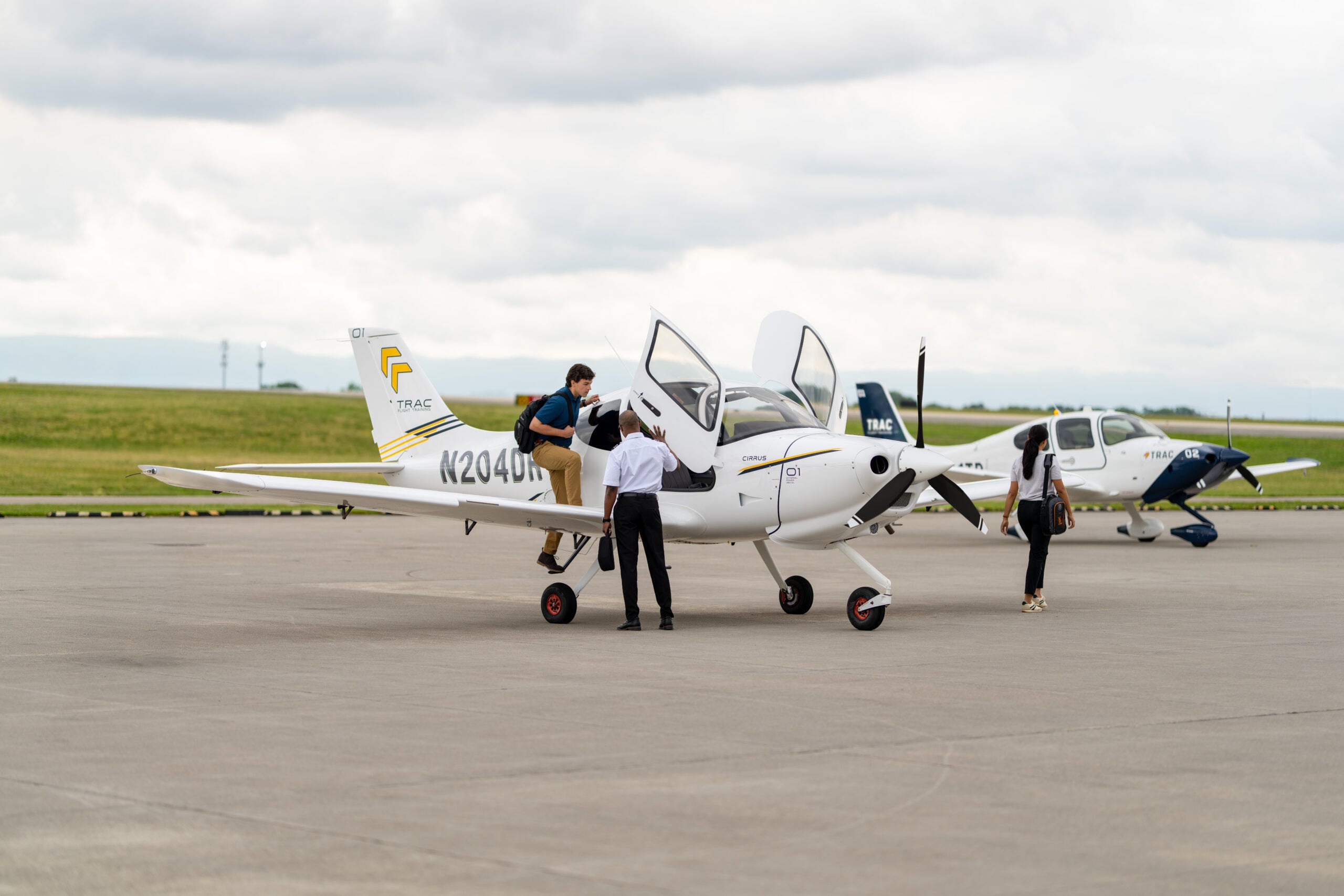
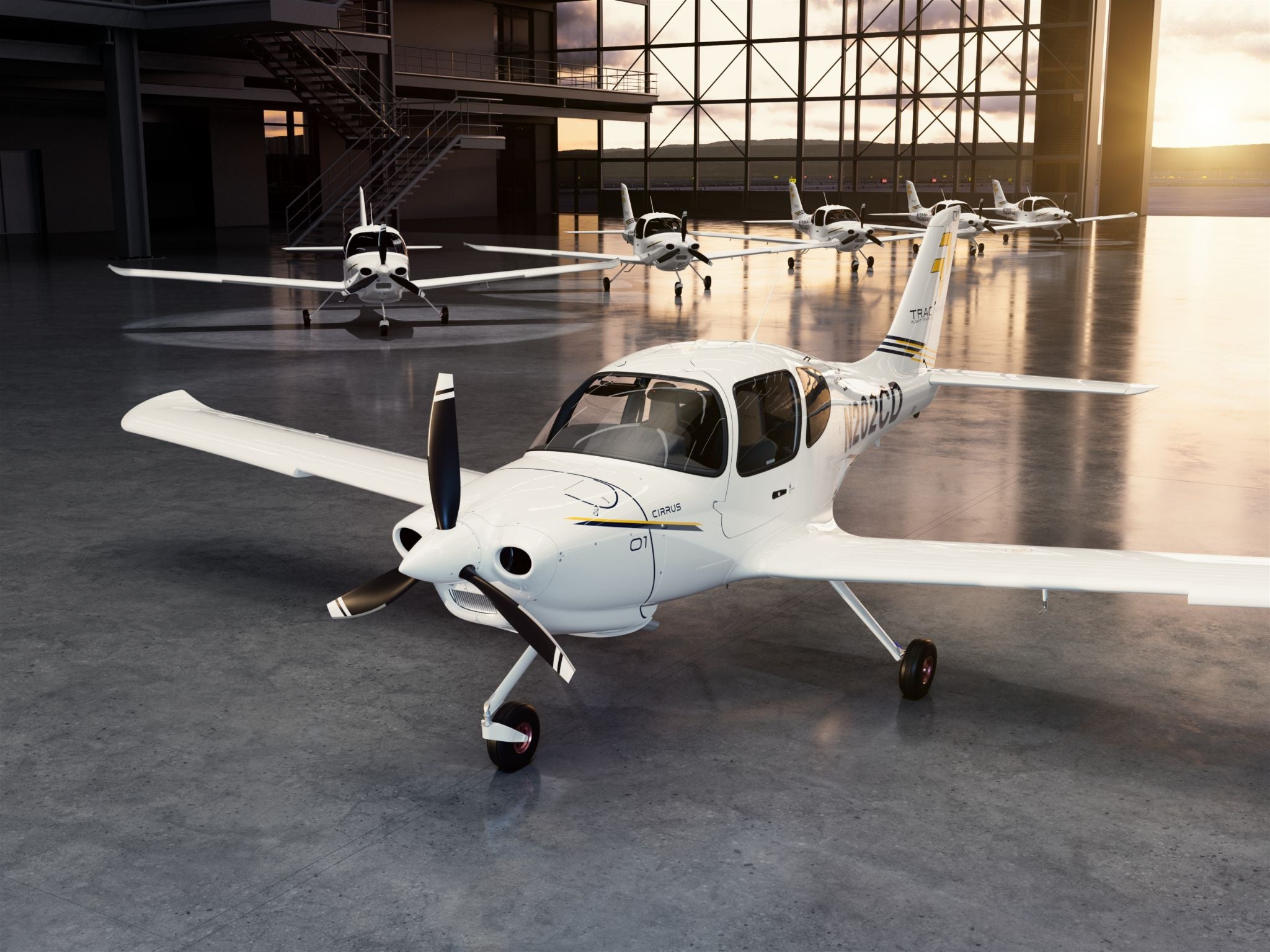
three trac 10 training aircrafts lined up

Optimal Performance For Training Efficiency

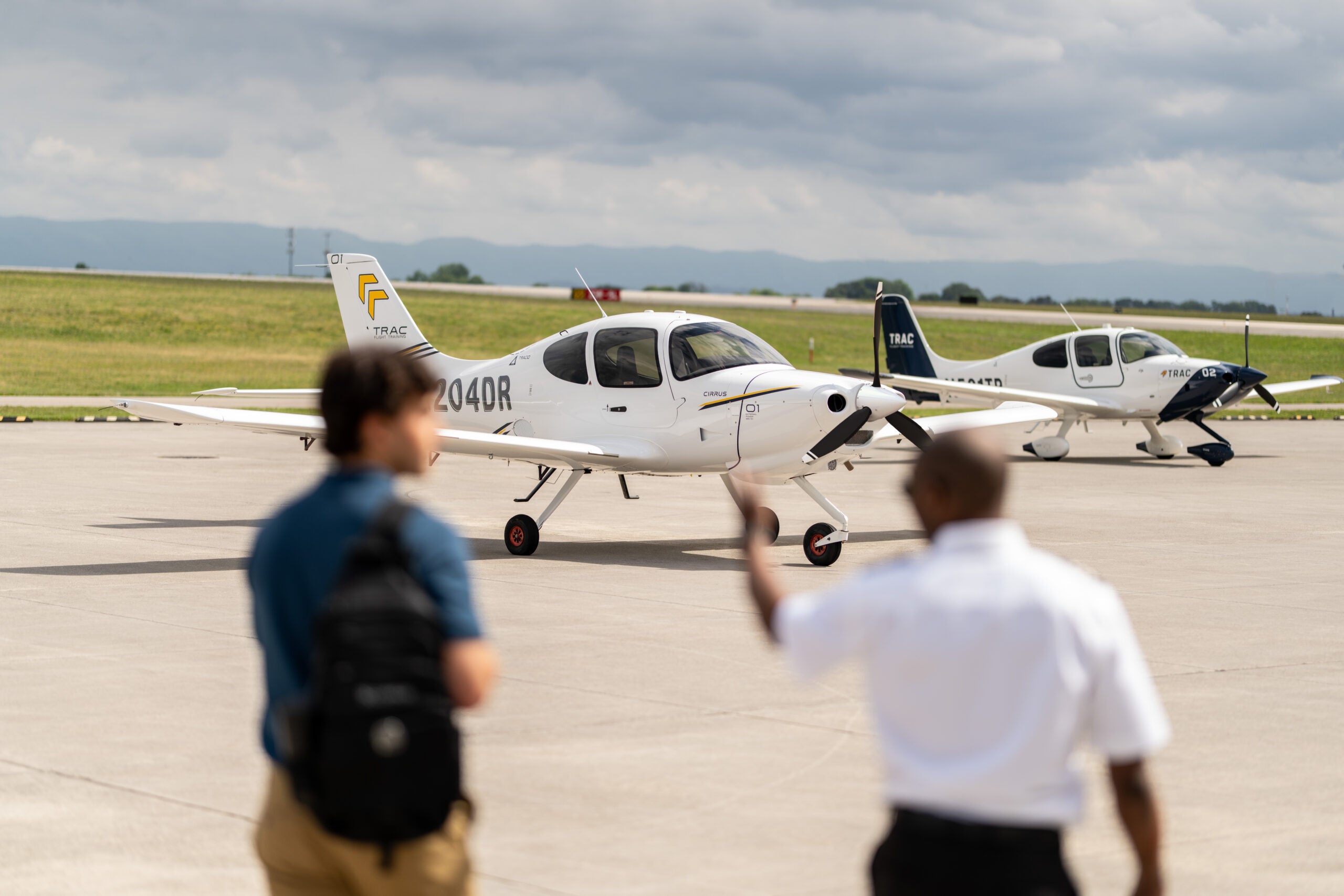
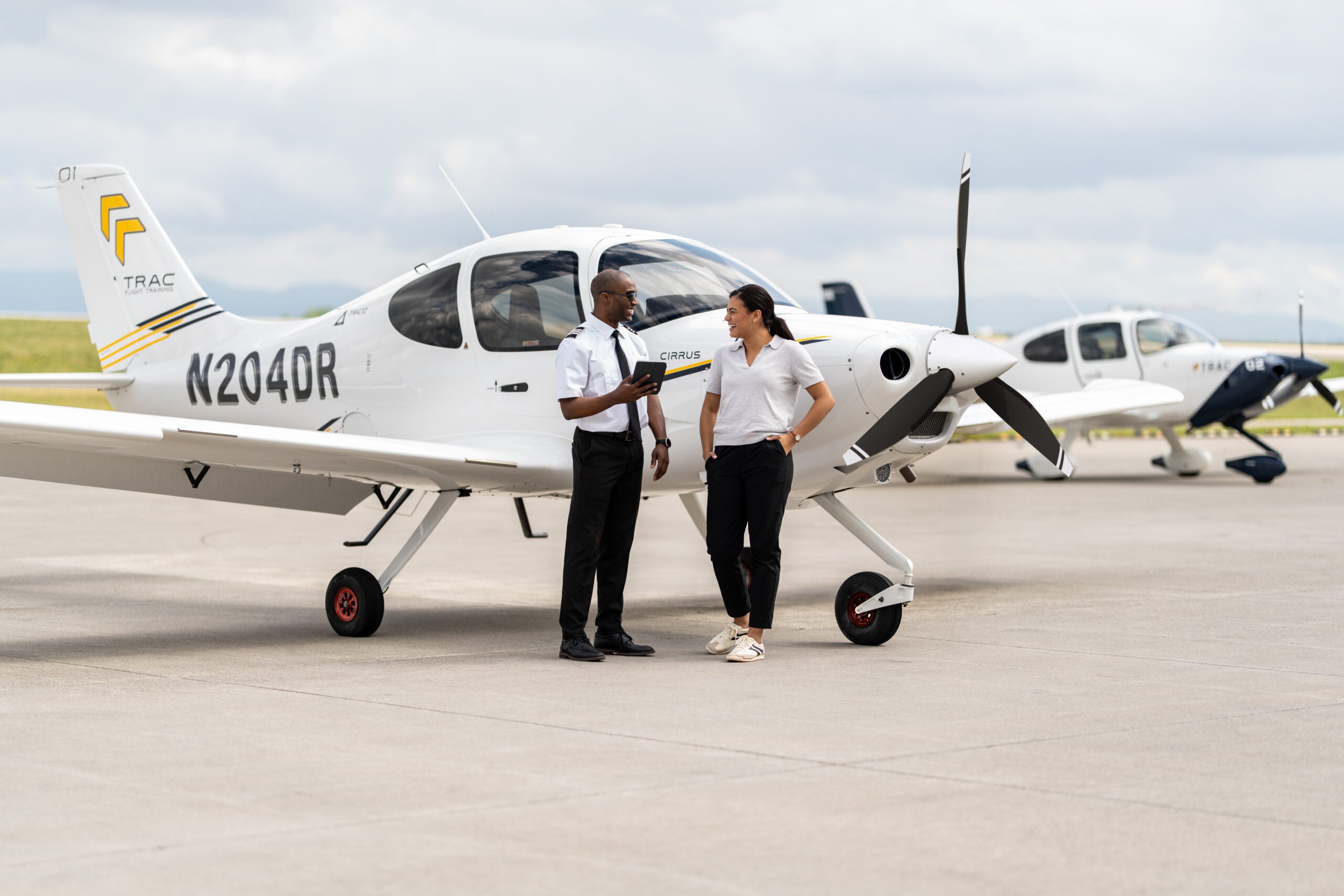
TRAC10 leverages a unique set of capabilities and features designed to elevate and optimize the training environment and support demanding flight training operations worldwide.
5.9 GPH
Fuel Burn 65% Power
160 HP – Max Takeoff
137 HP – Max Continuous
750 LBs
Useful Load
57 KCAS
Stall Speed
3
Maximum Occupants
Approved Fuel
100LL, UL91/UL94, select Mogas blends

Rotax 916 iSc FADEC Turbocharged Engine

The 160 horsepower Rotax 916 iSc FADEC turbocharged engine offers operational reliability and efficiency, burning as little as 5.9 gallons per hour in cruise at 65% power, reducing total flight training costs and maximizing dispatch reliability.

FADEC

Delivering up to 160HP, the Rotax 916 iSc turbocharged FADEC engine automatically manages ignition and fuel delivery, reducing pilot workload and delivering efficient, robust operation in any flight training environment.

Fuel Flexibility

The Rotax 916 iSc provides maximum operational flexibility by supporting multiple fuel types, including AVGAS 100LL, UL91/UL94 and select Mogas blends. 

Oil Preflight System (OPS)

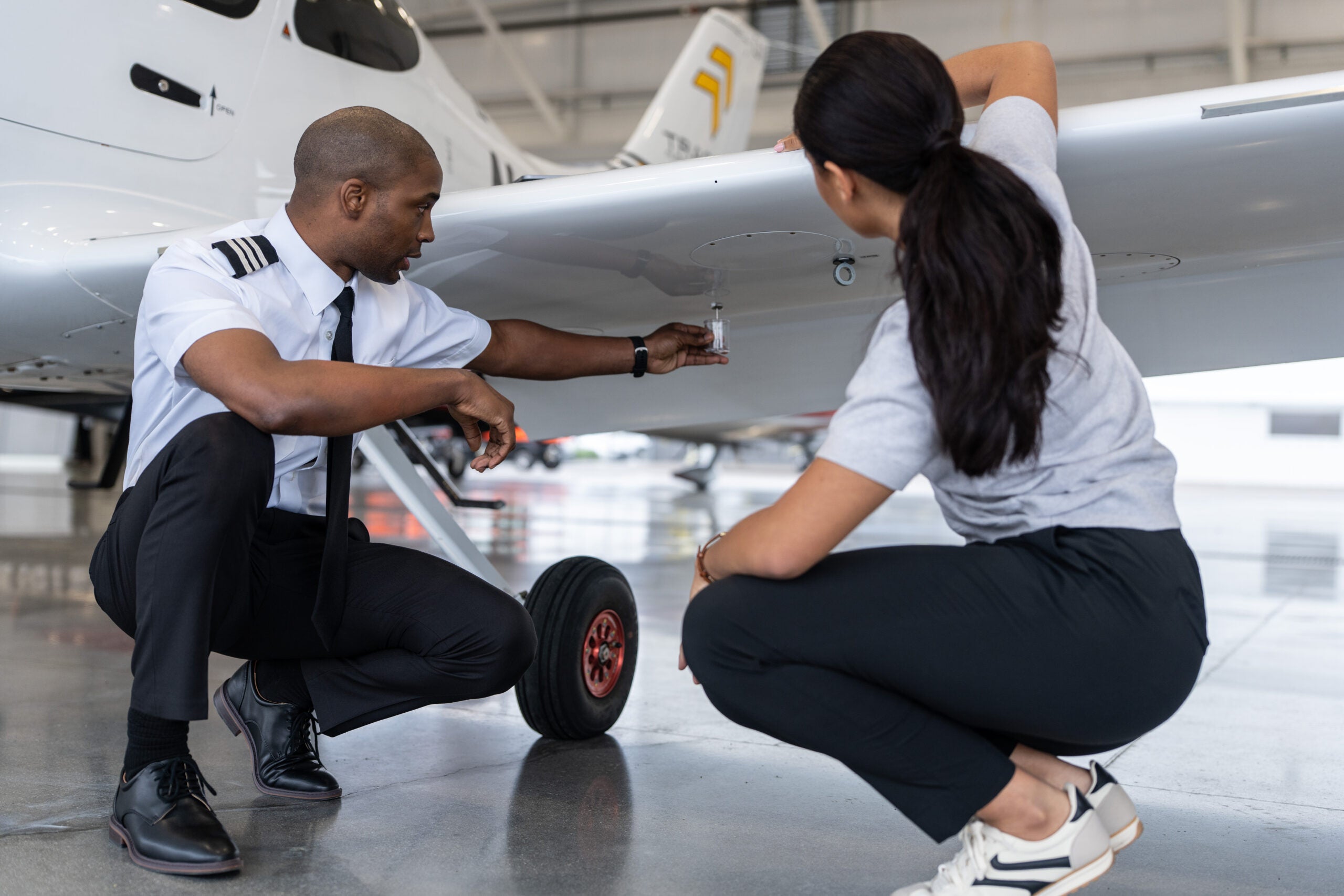
The Oil Preflight System (OPS) streamlines engine preflight by eliminating the need to manually rotate the propeller to check oil levels, as is required with traditional Rotax engine installations.

Low Operating Costs

The Rotax 916 iSc offers both low fuel burn and simplified maintenance, maximizing training fleet efficiency.

Built for Flight Training

Discover the key safety, efficiency, connectivity, and reliability features that make the TRAC10 the ideal training platform.
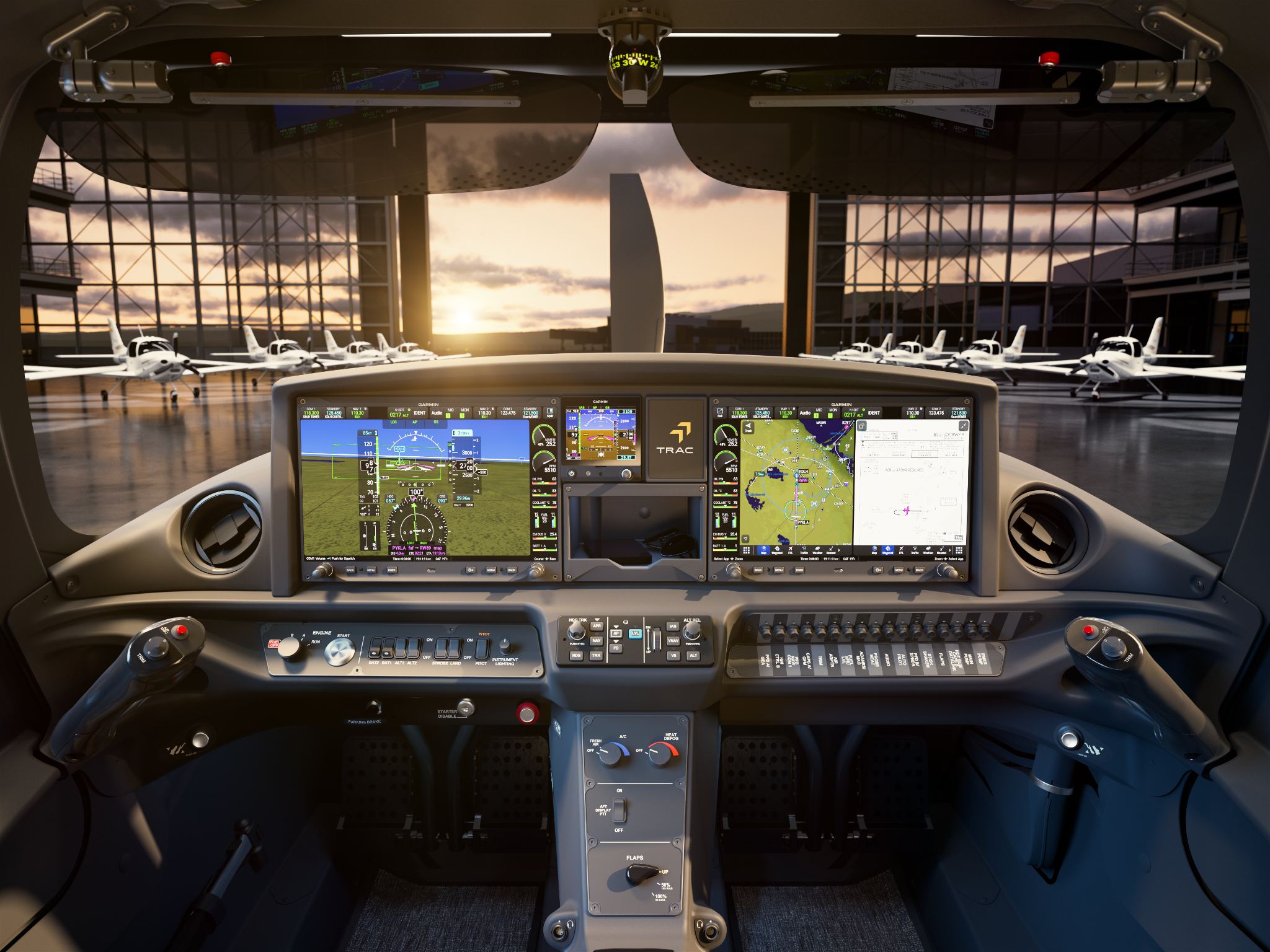
Cirrus Perspective® Core™ by Garmin Avionics
Built on the latest Garmin® AXIS™ Avionics suite, Cirrus Perspective® Core™ is a modern, familiar, and intuitive system ideally suited for flight training. Featuring dual high-resolution 11.6″ touch displays, Perspective Core™ is both highly capable and easy to learn and operate. Perspective Core™ also features integrated Com and Nav capabilities, eliminating the need for separate units.
Digital Backup Instruments
The Cirrus Perspective® Core™ avionics are equipped with a 3.5″ continuous backup ADAHRS display that offers reversionary display capability for redundancy and assurance on every flight.
Digital Autopilot
The Garmin GFC 500 digital autopilot prepares flight students for advanced concepts used in airliners such as vertical navigation and fully-coupled approaches. It also features key safety features such as Electronic Stability and Protection (ESP) and the blue level button.
Cirrus IQ™
Cirrus IQ™ enhances flight training operations by integrating seamlessly with third-party flight debriefing applications. Automatic Database Updates keep training fleets up to date and ready to fly, eliminating the need for manual monthly updates.
Air Conditioning
The available air conditioning system provides a comfortable environment for students and flight instructors, reducing fatigue and promoting efficient learning.
Pushbutton Start
The Rotax 916 iSc engine starts with the push of a button.

Education At Every Angle

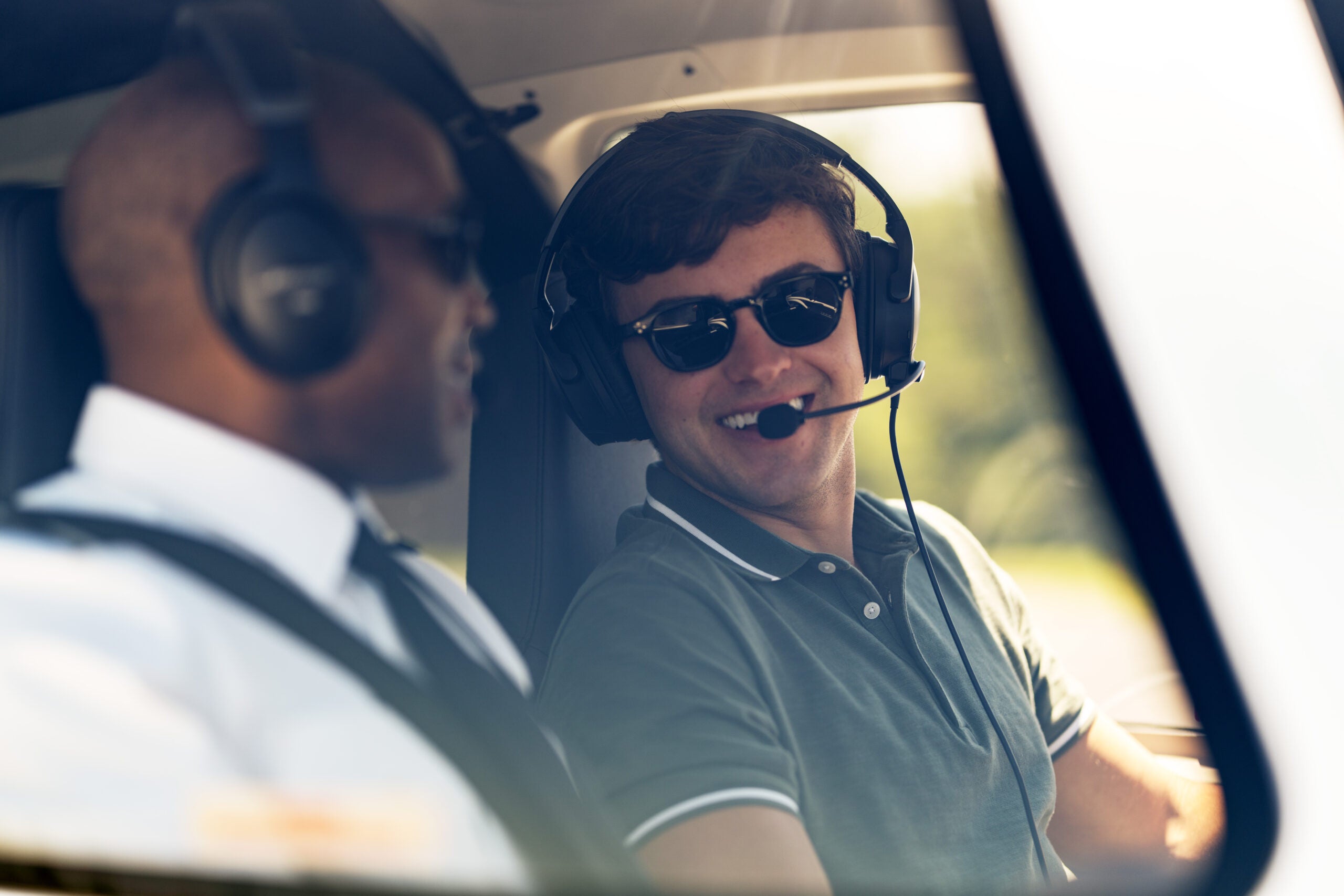
TRAC10’s interior was designed around the flow of instruction. Clear visibility, adjustable rudder pedals, and adaptable seating create a more immersive flight training experience from dispatch to debrief.

Rear Observer Station
A rear observer seat station is situated between two large windows with an elevated position for optimal flight deck visibility, supporting observational crew-based training.
Rear Display Unit
The optional rear seat display unit is designed to offer the rear seat occupant a platform to observe and interact with the Perspective® Core™ Avionics workflow, supporting observational crew-based training.
Adjustable Seating & Durable Interior
Intentionally engineered for ergonomics and longevity, this robust interior is designed to withstand the unique demands of a high-utilization training environment. It features adjustable, wear-resistant seats that are both easy to clean and built to last, ensuring maximum comfort and durability under heavy daily use.
Adjustable Rudder Pedals
Rudder pedals accommodate a broad range of student and instructor heights ensuring comfort, safety, and consistent control.
Class-Leading Visibility
A thoughtfully designed instrument panel and large windows create class-leading visibility and situational awareness for all occupants.
Fleet Operations Estimator

Understand Your Fleet's Operating Costs

Adjust flight hours, fuel pricing, and maintenance labor rate to explore operating costs across your training fleet. Use the calculator as a baseline for planning to evaluate fleet efficiency and support long-term program scalability.

Units
Flight hours / aircraft / year 500 hrs
Fuel price $6.25 / gal
Maintenance labor rate $49.88 / hr
Fuel type
Per-Aircraft · Per-Hour Cost
$0
direct operating cost
Fuel (5.9 gph avg)
$0
Scheduled maintenance
$0
Consumables
$0
Engine & Propeller Reserves
$0

This estimator is for illustrative purposes only and does not predict actual operating costs. All estimates are approximate, in 2026 U.S. dollars, and based on user inputs and general assumptions. Actual direct operating costs may vary significantly due to factors including aircraft utilization, operating environment, country of operation, labor and parts costs, maintenance practices, fuel prices, regulatory requirements, and engine overhaul/replacement decisions at TBO. Because every operation is unique, do not rely on these estimates for budgeting, purchasing, financial, operational, or investment decisions. Cirrus makes no representations or warranties regarding accuracy or applicability and assumes no liability for decisions based on these estimates.

Safety: More than a feature, a philosophy

Safety at Cirrus is never an afterthought. TRAC10 integrates layered safety systems designed to support the pace and pressure of modern flight training while helping students build better habits from day one.

CAPS — Cirrus Airframe Parachute System
CAPS® is the embodiment of our approach to safety. In the rare case of a critical inflight emergency, with the simple pull of the CAPS handle, any training crew or student on a solo flight, has access to the ultimate backup – because in a Cirrus, safety always comes standard.
Electronic Stability and Protection (ESP)
ESP assists in maintaining safe, stable flight when hand-flying the aircraft. It monitors the aircraft’s flight condition, functioning independently of the autopilot, and it applies a control force toward stable flight whenever pitch or roll deviations exceed recommended limits. ESP can also recognize when underspeed or overspeed conditions are about to occur — such as a stall or too-steep of a descent — and it makes appropriate adjustments to the controls.
Blue Level Button
When the level mode button is activated in-flight, the autopilot automatically engages and works to return the aircraft to a straight-and-level condition.
Stick Shaker
TRAC10 includes an integrated stick shaker to warn students of an impending stall—the same technology found in large commercial aircraft.
Cuffed Wing/Departure Resistant Design
This NASA-developed wing technology features a “cuffed” discontinuous leading edge to minimize the potential for spin entry after an inadvertent stall.

Aircraft Specifications

Powerplant

Manufacturer Rotax
Model 916 iSc C24
Maximum Takeoff Power 160 hp
Maximum Continuous Power 137 hp
Approved Fuels 100LL, UL91/UL94, Mogas (select blends)
Propeller 3-Blade Composite

Performance

Maximum Operating Altitude 14,000 ft
Stall Speed With Flaps 57 kcas
Stall Speed Without Flaps 66 kcas
Maximum Cruise Speed 139 ktas
Fuel Burn (65% Power) 5.9 gph

Cabin Interior

Maximum Occupants 3
Cabin Height 47 inches
Cabin Width 49.6 inches
Cabin Length 94 inches

Exterior Dimensions

Wingspan 34.2 ft
Length 23.8 ft
Height 9.4 ft

Weight

Maximum Gross Weight 2150 lbs
Maximum Usable Fuel 33.5 gal (201 lbs)
Useful Load 750 lbs
Next Step

Contact Fleet Sales


Discover the world’s most advanced training aircraft.
Contact Fleet Sales